Millions of people now have the freedom to work as they see fit because the current job market was brought about by freelancing. Quick Freelancing is a major source of income for designers, writers, coders, wells and consultants. However, the financial industry plays an important role in freedom and flexibility, which often determines long-term success. Freelancers can find it difficult to manage their income, prepare their taxes and maintain a secure financial stability without the right financial systems, tools and support.
Prosperity Finance
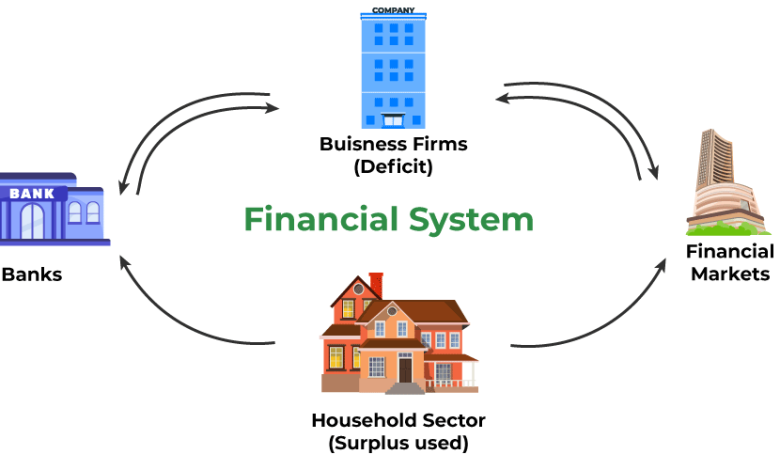
The freelancing economy is powered by the financial industry, which acts as a cool engine. Freelancers do not receive salary, profits or employer malpractice insurance in certain employment. Because of this, managing and managing money is an important duty. Financial services companies, digital payment platforms and banks have bridged this gap by offering goods and capabilities specifically for independent contractors.
Offer unique freelancer-friendly bank accounts like Stripes and PayPal with online payment processors. Supporting financial sector freelancing is actually one of the most important border strategies, allowing clients to work anywhere in the world without facing any hassle in the nation.
Budget and revenue stability
After busy months, freelance income is sometimes unpredictable and dull. If this abnormality is not handled carefully, it can lead to financial difficulties. In this case, the financial industry provides tools such as digital wallets, automated savings platforms and budget apps. Freelancers can use this resource liner to figure out how much money they need during busy months.

In addition, many banks and fintech companies now offer income-protection services, which act as buffers or pay advances and provide freelancers with additional cash flow security. This development shows how the financial industry is adjusting to workers’ needs for flexibility.
Tax and compliance
Compliance with freelancers is one of the major hurdles. Freelancers must calculate and pay their own taxes, unlike regular workers who do so regularly. By providing tax calculators, consulting services and freelancers, the financial industry took the necessary steps.
The payment system integrates directly with platforms like FreshBooks and QuickBooks, enabling independent contractors to monitor their earnings, control their expenses and prepare for tax season. Additionally, some banks collaborate with tax specialists to facilitate quarterly or annual filings for independent contractors.
Insurance and long term protection
Retirement and insurance plans are another area where the financial industry plays an important role. Generally, employers do not provide health insurance or pension schemes to freelancers. To bridge this gap, financial institutions and insured individuals offer flexible health, life and disability insurance plans to self-employed individuals. Opportunities are being provided to freelancers to secure their future through investment platforms and retirement savings accounts.
Final thoughts
Although the freelancing sector depends on the financial sector for its existence, it thrives on innovation and independence. Finance is the foundation for freelancing, handling everything from irregular revenue management to compliance and future security.
Embraceing financial equipment and services is not an option; This is the need of independent contractors expecting to establish a long -term career.