Because it protects people and companies from unanticipated losses, the insurance sector has long been a pillar of economic stability. From life and business insurance to health and car insurance, the sector is essential in controlling risks that would otherwise cause financial collapse. However, due to increasing global threats, shifting consumer expectations, and technology advancements, the insurance industry is changing quickly. To understand where the market is going and what possibilities are ahead, it is important to comprehend these changes.
A Shift Toward Digital Transformation
The shift to digital transformation developments have simplified is one of the biggest developments in the insurance sector today. Digital platforms are currently transformingmanaged, and renewed. Previously, traditional insurance mostly depended requirements of specific while data analytics on paperwork policy comparisons, AI-based the way insurance is offered, customer service, and online claim filing are all examples of InsurTech, the fusion of technology and insurance. These processes and increased consumer access to insurance.
Specifically, artificial intelligence has achieve through traditional Customer retention and happiness changed the game. AI algorithms are increasingly used by insurers to evaluate and in-person interactions. Instantrisk profiles, identify fraud, and even forecast client behavior. Virtual assistants and chatbots offer 24/7 assistance, meet the enables insurers to customize insurance to individuals. are increased by this customisation, which was challenging to methods.
Changing Customer Expectations
Consumers nowadays are more ever. They anticipate insurance or instantaneous online quickness, flexibility, and transparency. Pay-as-you-go auto short-term trip knowledgeable and pickier than coverage are two examples of the customers desire since they insurance solutions that many can be tailored to their lives.
Customers access services power from insurers to the at any time and from any location thanks to the proliferation of mobile applications, which has shifted may now more easily the insured.
Businesses are to consumer involvement individualized communication in order to satisfy these expectations. Clear insurance companies even utilize price structures, simple claim procedures, and are reconsidering their approaches becoming crucial. Some social media sites to educate their customers and foster trust.
Emerging Risks and Market Adaptation
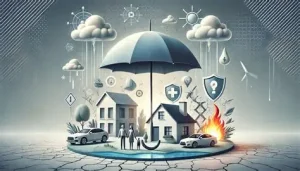
From data to global pandemics and climate change, the globe is from ransomware attacks confronted breaches and cybercrime with novel and intricate threats. Insurers are being to swiftly adjust and create cutting-edge policies. For example, cyber insurance, which floods, and other extreme weather covers damages and data theft, has become essential for organizations. In a similar vein, insurance that covers climate change helps guard against losses forced by these new risks brought on by wildfires, conditions.
, there have also been coverage planssignificant reforms Since the COVID-19 epidemic to health insurance. Many now services and remote include telehealth medical consultations. This adaptability guarantees that medical treatment is available even in emergency situations.
Challenges Ahead
The insurance sector nevertheless confronts a number of obstacles in spite of these developments. As the world digital platforms enforce more stringent data privacy and consumer protection regulations, regulatory compliance continues to be a major problem.customer-centricity, governments throughout and technology. Furthermore, the increased dependence on makes people more susceptible to cyberattacks, necessitating the implementation of more robust cybersecurity measures.
Another challenge is competition from InsurTech startups. These pressure on established insurers to innovate more quickly transformation of the business by providing affordable, approachable solutions that appeal to younger generations.
Conclusion
In order to meet the needs of a changing world, the insurance business is undergoing a significant transition that combines innovation, Despite ongoing difficulties, businesses who adopt digital technologies and adjust to for a secure future, not contemporary demands stand to gain greatly.

In addition to digital-first businesses put providing loss protection, insurance in the future will enable people and organizations to confidently confront uncertainty. The demonstrates that insurance is now a smart, data-driven collaborationmerely a safety net.