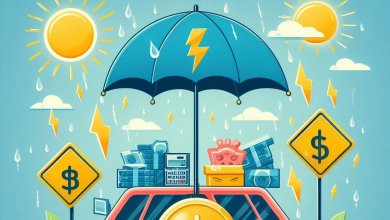
Insurance is not just a financial thing in today’s unpredictable world; It’s a safety trap that protects companies from people, families, and life’s unexpected obstacles. As Filipinos are becoming more conscious of the need for financial stability, insurance in the country is attracting more attention. The country’s insurance market is evolving to meet the demands of a diverse and expanding population, be it for business, property, health or life insurance.
Increasing importance of insurance
The threat is not new to the Philippines. Filipinos are particularly vulnerable to typhoons, floods, and earthquakes, making living not just a luxury, but a necessity. In addition, loved ones will contribute to financial stability in pushing for universal insurance and maintaining unpredictable economic changes, increasing health care costs. A growing number of Filipinos believe that buying insurance is a proactive step that should last a long time.
Type of insurance introduced in the Philippines
The insurance market in the Philippines offers a variety of options to meet the needs of both individuals and businesses.
The most common type of insurance is life insurance, which provides financial assistance to policyholders in the event of their death. Nowadays, many products use variable universal life (VUL) plans to combine financial capability with security.
Health Insurance: Given the rising cost of healthcare, health insurance is essential. Benefits for hospitalization, outpatient treatment and critical illnesses are provided by both local and foreign providers.

Non-life insurance includes natural destruction, travel insurance, property insurance, and auto insurance protection. Home and business owners require this type of insurance due to the country’s disaster-affected weather.
Microinsurance is a novel and expanded product in the Philippines for cum -secom families. The coverage reduces overall risks such as accidents, illnesses, and minor property damage, and the premium is less expensive.
Efforts for public and commercial areas
Through organizations such as the Insurance Commission, the government controls and promotes insurance in important ways. This ensures that companies operate impartially and that Filipinos can trust their supplier.
Challenges in the industry
Despite progress, the Philippines continues to face obstacles in its efforts to promote broader insurance. Many Filipinos do not have a license due to high cost, lack of financial awareness, or restricted access to insurance providers in rural areas. Some people still view insurance as a meaningless cost rather than a long-term investment in safety.
Considering the future
In the Philippines, insurance seems to portend a bright future. Because the population is young and technology-loving, digital insurance platforms are gaining popularity and simplifying the application and administration of policies online.
final thoughts
In the Philippines, insurance is an empowerment tool as well as a demand. Insurance reduces the importance and risk of financial security, gives the Filipino peace of mind and prepares for the unpredictable.

More Philippinos will be able to perform life season with confidence and protect their future uncertainty until the expansion and innovation of the region.