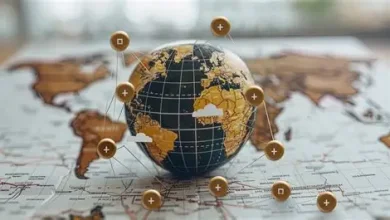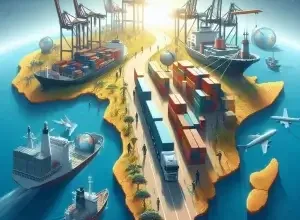
Every business has risks. Developing countries have more complex problems.
Lack of rules, unpredictable politics, unstable economy and poor infrastructure often create an environment where companies need to be extra careful about potential harm.
However these areas need to know about these risks to support long-term growth, which’s crucial for both investors and entrepreneurs.
instability and currency risk
Economic instability is a huge threat in developing countries.
Due to access to global financial markets and high inflation many of these countries experience economic ups and downs.
This makes prices, revenue forecasts and long-term investment plans unpredictable for companies.
A rapid drop in the currency can make imported goods useless for local businesses or mean low income for international investors.
regulatory risk
Another major concern is unstable politics.
Developing nations sometimes have governments sometimes through unfair means resulting in policies that are hard to fix.
Corruption, a legal system and unclear rules can further discourage professional operations.
Problems from rules, restrictions on imports/exports or asset rights are some obstacles entrepreneurs face.
Limitations of the structure
Although infrastructure is vital for trade development it is often insufficient in developing countries.
It is expensive and complicated to operate a transportation system with roads, insufficient electricity and limited Internet use.
For example transportation may be more expensive. Take longer than in industrialized countries reducing profitability.
Companies entering these areas should expect delays and infrastructure-related costs.
Some global corporations invest directly in enhancing infrastructure promoting community development alongside their business.
workforce challenges
Another concern is human capital.
Although developing countries often have young populations the workforce may lack specialized skills or necessary technical training or education.
natural hazards
Developing nations are often vulnerable to natural disasters like earthquakes, droughts and floods.
These events can severely disrupt supply networks and operations.
Lax environmental regulations can result in practices that ultimately harm companies and communities.
To protect investments businesses operating in these areas should have a risk management plan, including insurance and long-term processes.
Consider the opportunities
with many risks developing nations offer great potential.
They often have populations, abundant natural resources and untapped markets.
Companies that can overcome barriers can build businesses and support long-term economic growth.
conclusion
Although doing business with developing countries is never risk-free it can be impactful and successful, with the strategy.

Economic, political, social and environmental issues can reduce business losses by helping emerging markets grow. In this sense managing risk becomes a means of bringing about changes.