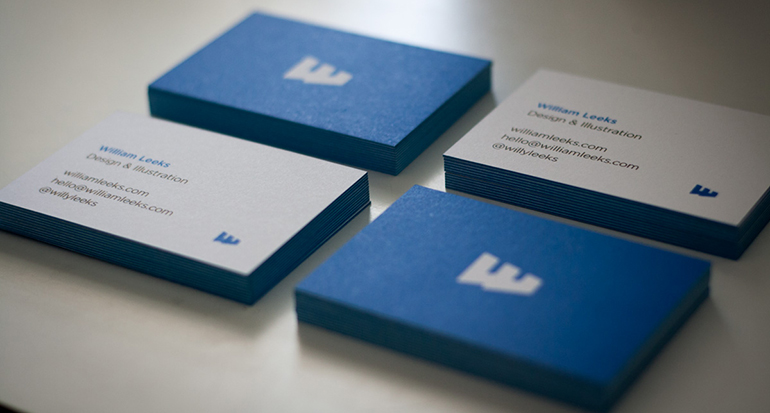
Business cards can easily become obsolete in an age where professional networking is dominated by cell phones, LinkedIn connections, and email signatures. These compact, portable devices are still necessary to maintain business and construction connections. A business card is more than a sheet of paper with your contact information; It is your business or individual brand, a branding tool and a silent representative of the first impression.
First impression count
When you meet someone for the first time, exchanging business cards is often the first concrete step in establishing professional relationships. It seems more professional to easily give a card to a number than to type a number into a phone. This shows that you value the discussion and are willing to continue it after the first meeting.
An efficiently designed card can reduce interest and serve as a topic of interaction. The font, color scheme, and paper weight affect how people see your brand. An indicator emphasizes professionalism and development, however, a weak or poorly created card can leave an error.
Mark in your pocket
Beyond your name and contact information, a business card is an effective branding tool. It tells people what you stand for. Every aspect of the design expresses the character of your company or brand, from the position of the logo to the selection of colors and fonts.
For example, a financial advisor may follow formal designs and clean lines that express professionalism and confidence, while a creative designer may choose bright artistic images to showcase innovation. In this way, business cards act as a portable storage unit for your brand.
Simple and memorable
Features are also important in today’s digital age. Business cards provide an easy-to-use method of exchanging information without the need for a computer or Internet access. They attend conferences, networking events or even casual encounters.
Business cards also serve as tangible reminders. Provides a dedicated place to add cards to a wallet, desk drawer or conference room folder, even if digital contacts forget to leave emails and information. When examining cards, people often recall traditional discussions about fostering personal relationships.
Cross-cultural significance
Business cards have meaning in many cultures, especially in Asia. -Exchanging dardhan (meshi) cards is considered a respectful gesture and is subject to strict etiquette in countries such as Japan. In addition to disallowing business cards, these terms can be interpreted as informal or unfair. This shows the current importance of cards in international trade.
Internet based networks
It is interesting to note that digital networks and business cards can coexist. QR codes that instantly link to websites, LinkedIn accounts or digital wallets are commonly included on modern cards. This hybrid strategy ensures that professional platforms are available by merging quick access to physical cards with the connectivity of the digital world.
Final thoughts
Despite its small size, a business card is very important. It’s a paper handshake that leaves you open to expanded possibilities after the talk is over.
Corporate cards remain a useful tool in the corporate world, where first impression connections and possibilities for the case. They continue to demonstrate that sometimes the most young things have the most impact, thus they are far away from being old.
Thanks