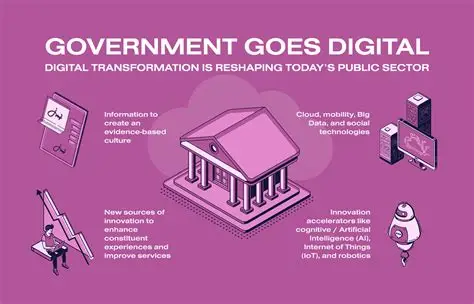
By 2025 local self-government will face pressure to manage financial systems and provide effective services.
The complex rules often disrupt development and motivate communities through grants for the budget.
Local self-government strengthens bureaucracy provides resources for access to schools and roads to improve accountability, transparency and public confidence.
Getting insight into these issues and potential solutions can enable leaders to implement significant reforms.
Financial bureaucracy burden
* Local self-government manages budgets for services like road maintenance or public library maintenance.
However procedures, approval and compliance requirements often disrupt financial processes.
A 2024 survey found that 60% of self-governments spend more than 30% of their administrative time on financial documents.
Mythological rules are another source of bureaucracy
All national, state and municipality rules should be complied with by self-government along with their related reporting requirements.
The European Unions financial guidelines are complex. The Municipal Corporation in the United States should follow guidelines set by the Government Account Standards.
Major challenges in 2025
* System fragmentation: Many local self-governments use software for accounting and budget resulting in mistakes and disadvantages.
A survey found that 40% of municipalities have integrated financial management systems.
* Compliance surcharge: Meeting audit requirements requires resources for grants or taxes.
For example handling an application for the European Union Coordination Fund requires several staff members.
* Interval of transparency: When the budget or expenditure is unclear public trust is lost.
25% Of citizens in OECD countries expressed doubts about government expenditure in 2024.
* Lack of staffing: Teams handling responsibilities are often incomplete making it difficult to meet regulatory requirements.
Solution to streamline
steps are necessary for modernizing finance bureaucracy.
The first step is to adopt advances.
Cloud-based systems like SAP or OpenGov can automate grant monitoring, reporting and budget reducing processing time by 50%.
Second simplifying processes can reduce complications.
Standardized processes, like Canadas Well-Communication Financing Model can reduce expenses by 20%.
Third open data efforts can strengthen trust.
Seouls municipal government enables individuals to monitor expenses in time and 70% of locals have a high level of faith in their government.
Finally cooperation with Fintech companies can help bridge the gap
Special suppliers can provide labor for important outsourcing projects like tax collection or payroll.
By 2025 30% of towns will have partnered with Fintech saving $1 billion per year.
To serve communities properly local self-government must prioritize efficiency.
Review financial processes to find obstacles.
Invest in technology and training as digital equipment saves money over time.
Establish a relationship with the public through reporting.
Cooperate with local self-governments to exchange best practices
Although finance bureaucracy is a barrier, to self-government adopting digital technologies standardizing processes and prioritizing openness can help.
Effective financial management ensures that resources are distributed where they are needed most to empower communities.
Work now to streamline for a future.
Thanks