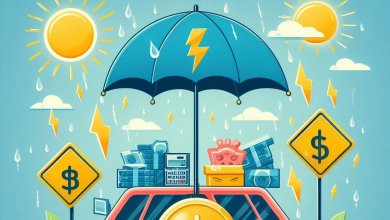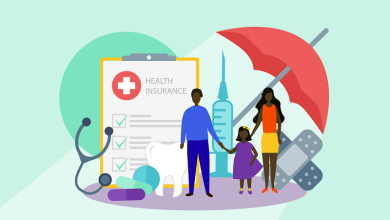
Because it protects people and businesses from unforeseen losses, the insurance sector has long been a pillar of economic stability. From life and business insurance to health and auto insurance, the sector is essential in controlling risks that would otherwise lead to financial collapse. However, due to growing global threats, changing consumer expectations and technological advancements, the insurance industry is changing rapidly. To understand where the market is headed and what possibilities lie ahead, it is important to understand these changes.
A shift towards digital transformation
The shift towards digital transformation that developments have simplified is one of the biggest advancements in the insurance sector today. Currently digital platforms are being transformed, managed and renewed. Previously, traditional insurance mainly depended on specific requirements, while data analysis in paperwork, policy comparisons, the way AI-based insurance is offered, customer service and online claims submission are all examples of InsurTech, the fusion of technology and insurance. These processes and greater consumer access to insurance.
Changing customer expectations
Consumers today are increasingly so. They anticipate security or instant speed, flexibility and transparency online. Short-term pay-as-you-go auto trips and more demanding coverage are two examples of what customers want, offering insurance solutions that many can fit into their lives.
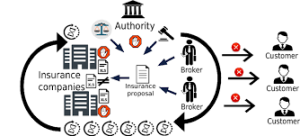
Customers access insurer services at any time and from anywhere thanks to the proliferation of mobile applications, which has now made it easier for policyholders to access them.
Emerging risks and market adaptation
From data to global pandemics and climate change, the world is facing ransomware attacks, breaches and cybercrime with novel and intricate threats. Insurers are adapting quickly and creating cutting-edge policies. For example, cyber insurance, which covers floods and other extreme weather conditions, damage and data theft, has become essential for organizations. Similarly, climate change insurance helps protect against losses caused by these new risks caused by wildfire conditions.
Future challenges
However, the insurance sector faces a number of obstacles despite these developments. As global digital platforms impose stricter regulations on data privacy and consumer protection, regulatory compliance remains a major issue. Customer centricity, governments everywhere and technology. Additionally, increased dependency makes people more susceptible to cyberattacks, requiring the implementation of stronger cybersecurity measures.
Conclusion
To meet the needs of a changing world, the insurance business is undergoing a significant transition combining innovation. Despite current difficulties, companies that adopt digital technologies and adapt to the demands of a secure, non-contemporary future stand to gain a lot.

In addition to digital-first businesses put providing loss protection, insurance in the future will enable people and organizations to confidently confront uncertainty. The demonstrates that insurance is now a smart, data-driven collaborationmerely a safety net.