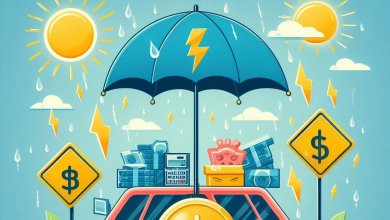
What You Need to Know About Credit Scores
A credit score is one of the important numbers in your financial life. It affects your ability to get loans, credit cards and good interest rates. Sometimes it even affects renting an apartment or getting a job. Many people do not understand how credit scores work or how to improve them. Learning the basics helps you make financial decisions and have a healthy financial future.
What Is a Credit Score?
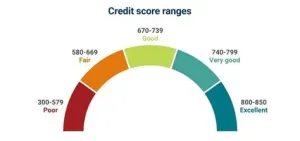
A credit score shows how well you pay back borrowed money. It helps lenders know if you will pay on time. A higher credit score means you are less likely to miss payments. A lower score means you might miss payments. Credit scores are used by lenders to check applications for mortgages, auto loans, personal loans and credit cards.
Why Credit Scores Matter
Your credit score affects more than getting loans. It can affect:
* The interest rates you get on loans and credit cards
* The limits on your credit cards
* Your chances of getting a mortgage
* Rental applications
* Insurance costs in some places
* Access to products and services
Having a credit score can save you thousands of dollars over time. This is because you get borrowing costs.
Key Factors That Affect Your Credit Score
1. Payment History
Your payment history is an important factor. Paying bills on time shows you are financially responsible. A good tip is to set up payments or reminders to avoid missing dates.
2. Credit Utilization
Credit utilization is how much of your credit you are using. Try to use than 30% of your total available credit.
3. Length of Credit History
The your credit history the more information lenders have to evaluate your financial behavior. A good tip is to keep accounts open if they have a payment history.
4. Types of Credit
Having types of credit like credit cards, mortgages and installment loans can help your score. Only take on credit products you really need.
5. New Credit Applications
Applying for credit accounts in a short time can lower your score. Avoid applying for credit you do not need.
Common Credit Score Mistakes
Many people hurt their credit scores by making mistakes, such as:
* Missing payment deadlines
* Using much credit
* Closing accounts for no reason
* Applying for loans at once
* Ignoring errors on your credit report
Checking your habits regularly can help prevent these issues.
How to Improve Your Credit Score
Improving your credit score takes time. Making effort can produce results.
Practical Steps:
* Pay all your bills on time
* Reduce your debt
* Keep your credit card balances low
* Check your credit report regularly
* Fix any errors you find
* Avoid opening many credit accounts
Small improvements made consistently can lead to long-term gains.
Understanding your credit score is key to success. This number plays a role in determining your access, to loans, 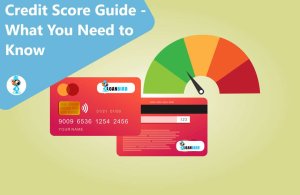 rest rates and other financial opportunities. By paying bills on time managing your credit wisely and borrowing responsibly you can build a credit profile.
A strong credit profile supports your goals. The better your credit score, the financial flexibility and opportunities you will have in the future.
Thanks